Cat Cute Filled Lines Embroidery Design Review
A First Look at Cat Cute Filled Lines
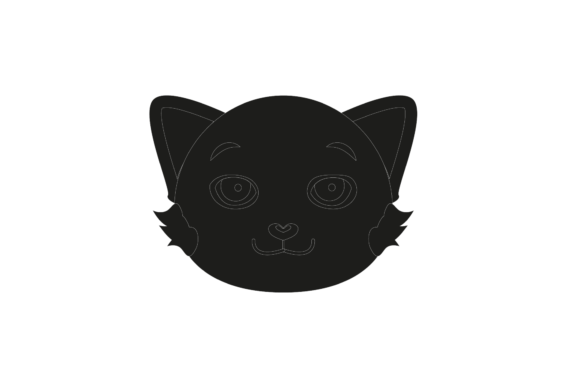
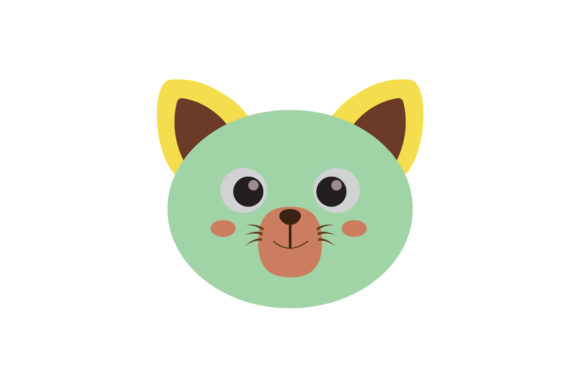
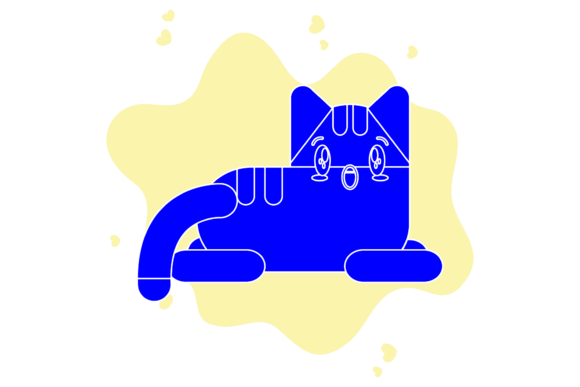
When I first opened the Cat Cute Filled Lines embroidery design, it immediately caught my eye with its playful yet refined aesthetic. The cat motif is stylized in a way that feels both whimsical and professional—perfect for a range of handmade or commercial projects. The filled lines give the design a soft, rounded look that’s visually appealing and easy on the eyes. It’s not overly detailed, which makes it ideal for quick stitching without losing character.
The layout is centered and balanced, making it feel like a classic emblem. This kind of composition works well for embroidered patches, tote bags, or even baby clothes. The overall mood is friendly and approachable, which could be great for a small shop product or a personalized gift.
How Cat Cute Filled Lines Performs in Real Projects
I tested this design on a few different fabric types to see how it would translate into real-life embroidery. On a medium-weight cotton fabric, the Cat Cute Filled Lines stitched up smoothly with minimal distortion. The filled areas used satin stitches, which gave the cat a nice dimensional effect. The line work was crisp, and the overall look was clean and polished.
For a custom sweatshirt project, I placed the design near the hemline, and it looked fantastic. The contrast between the design and the fabric was clear, and the stitching didn’t interfere with the garment’s drape. It also worked well as an embroidered patch for a handmade apron—adding a charming touch that felt both professional and personal.
If you're considering using this design for custom apparel, sweatshirts, or tote bag designs, you’ll find it versatile enough to adapt to various styles. It’s also a solid choice for holiday embroidery or nursery decor, where a gentle, cute design can make all the difference.
Where to Use Cat Cute Filled Lines with Caution
While Cat Cute Filled Lines is a strong design, there are certain situations where it might need extra attention. For example, if you’re working with small hoop sizes, the details might get lost, especially in the cat’s ears or tail. I recommend checking the stitch density and adjusting it if needed to ensure clarity.
On dark fabric, the design still stands out well, but it's worth testing with different thread colors to find the best contrast. If you're planning to use it on stretchy fabrics or curved surfaces like caps, adding a good stabilizer will help maintain the shape and prevent shifting during stitching.
Also, be mindful of tiny lettering or dense stitch areas. While this design doesn’t have text, if you plan to add any, you’ll want to ensure it complements the existing style and doesn’t overcrowd the composition.
Design Notes for Embroidery Professionals and Crafters
Before using Cat Cute Filled Lines in your next project, take a few minutes to test it on scrap fabric. Check how the thread colors interact with your chosen background and review the stitch density to avoid puckering or distortion. Confirm the hoop size required for your machine and adjust the design if necessary.
Testing the design in black and white mockups can also help you see how it will look on different fabric backgrounds. This is especially important if you're selling digital embroidery files or creating printable mockups for your Etsy listings.
If you're planning to use this design for commercial embroidery or sell finished products, be sure to check the licensing terms. Since this is listed as a Freebie under Graphics, it’s likely free for personal use, but always confirm before offering it as part of a paid product or digital download.
Final Thoughts on Cat Cute Filled Lines
Cat Cute Filled Lines is a delightful addition to any embroidery designer’s toolkit. It brings a sense of charm and professionalism to handmade products, personalized gifts, and small shop merchandise. Whether you're an Etsy seller, craft business owner, or just starting out with embroidery projects, this design has the potential to elevate your work.
With careful consideration of fabric type, stitch settings, and placement, this design can become a go-to asset for your creative endeavors. As always, testing is key to ensuring the final finished product meets your standards—and your customers’ expectations.